• Home
  • Services
    • Hypnosis
      • Self Realization, Fulfillment and Expression
      • Goal Setting to Manifest
      • Relationship with Self
      • Heal Your Heart
      • Reduce and Rule Anxiety
      • Eliminate Fear
      • Optimum Health
      • Personal Achievement
      • Overcome Addictive Behavior
      • Relationships
      • About Hypnosis
    • Voice, Values and Vision Coach
    • Ceremonies and Rituals
      • Baby Welcoming
      • Maiden or Mensus
      • Wedding or Commitment
      • Crone or Grandma-hood
      • Letting Go or Release
    • Empowerment Retreats
    • Toe Readings
    • Emcee Like No Other
  • Classes & Programs
    • SoulCollage®
      • Introductory Class
      • Second Sunday Group
      • MeCards for Kids
      • Using Your Cards
    • New Moon Shadow Dance
    • Magnificent Mentor Groups
      • Dancing With Archetypes 2021 – Module 1
      • Your Life’s Blueprint
  • About You
  • About Barb
    • Hypnosis Disclaimer
    • Privacy Policy
    • What I Guarantee
  • Contact
    • Blog
    • Store
You are here:HomeBlog

Don’t Take It Personally

Dec 6, 2015 2:05 am
Written by Barb Horn
0 Comments

What you mean don’t take it personally?  You are kidding right?  My boots are stolen at the local hot springs.  At work my position is transferred, more than once, without any consultation or understanding of the impact to me or the work.  I am not included in a process or event I was looking forward too.  My story was not accepted in a publication.  I received an award and no one in my organization cared.  My lover won’t get help even when they know they are hurting me.

You just want to punch some one when when it hurts and they say, don’t take it personally it is not about you.  Clearly it is when I am not heard, included or valued.  When I am ignored. When I have to change or loose something important to because of others actions. It feels personal on all accounts.

The breakdown here is that we want acknowledgment, recognition, empathy and compassion for the impact of the situation and instead we get in essence, more validation you don’t count.  If it is not personal and it feels as such, then I must not matter even more.  What our hearts want in that moment is simply validation, no judgement, no assessment of what is right or wrong, good or bad, personal or impersonal, purple or red for that matter. We just want to validation that something happened and as a result you feel something, you are impacted.

You are in it and can’t get above it.  Can’t see the forest for the trees.  Once you give voice to what you are in from your perspective you create some space between you and it.  It is then you can begin to bear witness to what happen, to rise above it for a moment and look at what happened as if through a camera, as it the people involved were on film and not you.

It is from this observer role you can begin to see a different perspective and be in the world of and.   You are in it and above it, switching back and for and sometimes simultaneously. From above you can look for what is yours to own and what is not.   Whatever is yours to own you can own it.  Perhaps that means saying you are sorry, clarifying, changing a belief, behavior or habit.  Being more aware or present. It can me any number of things that if you did would bring quality of life to you, bring you closer to you.  Whomever is involved is a teacher in that sense for you, and what is happening is not personally about them, but your awakening.

Conversely, or simultaneously, perhaps others are projecting on to you what it is they cannot see or need to see in themselves and it really is not about you at all.  You are the mirror, teacher, messenger or angel for them.  They needed you to experience what they needed and as such it is not about you.  You cannot see this if you are in it.

The more you can be with the observer and gain clarity, the more you will be able to own and chose a reaction that is from emotion (like anger, blame, fear or doubt for example) but is from understanding what is yours and what is theirs, without judgement, just simply as is for now.

Once you realize you are able to spend more time in the observer energy than the actor in it, and are able to make decisions (what to say, how to react, what not to do or what to do), the less and less the person or situation triggers you.  You know you are done with it when you can laugh about it, don’t think about it or can even say I don’t take that personally anymore.

Submit your own Woo Woo

Come Here Go Away Transformation

Dec 6, 2015 1:37 am
Written by Barb Horn
0 Comments

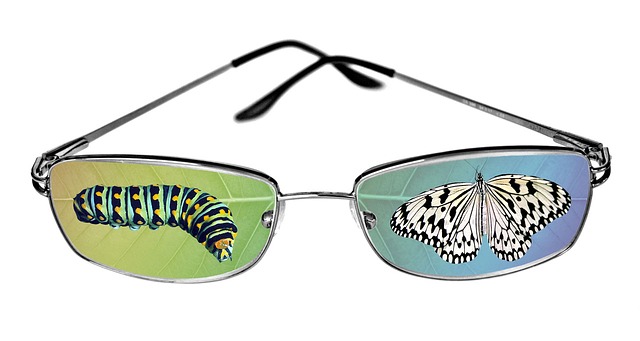
butterfly-14041_640

I have this “come here, no go away” relationship with change. The kind of change that shifts something form the inside out.  Change that requires a true loss and gain, a gain I never expected or was beyond anything I could imagine.  A shift at your core or soul level that you know has happened to you and in you but is hard to explain to others.  I imagine others do as well.  I desire, even seek this kind of change, changes that help me be the best I can be while I often resist the very change it seems I am seeking because it doesn’t look like I wanted, thought it should, is hard or painful or will take too  long.   I typically want change if I can control the process and outcome, as if I am in charge and know it all.

As young children we learn to expect change as we grow up, grow smart and grow older.  All the while we, and others around us work very hard to maintain status quo and NOT change.  Change is the only constant, so goes the mantra.  When I hear that, I say to myself, “sure, that refers to other people not me”.  Somehow, parts of me believe that the Universe has a special plan for me, one where I get to choose my transformative experiences.   I want to fall in love, meet special people, go places and have experiences that transform me.  That make me feel something perhaps more alive, moved, connected, safe, calm, stable, confident, powerful, fulfilled, loved, valued or heard.  Perhaps I want to feel less of something. In either case, we all desire transformation at times in our lives but we don’t know exactly when or how those moments will occur, precisely because the temporarily suspend our sense of control and knowing.  And, we want something in return for being willing to be transformed. To return to a specific state of mind or being or perhaps to be propelled forward out of sticky stuckness.  We may be aware of this or asleep.

You know when you have been through a transformation.  You are literally 180 degrees from where you were before, 0 is different than 180.  We have a story or belief about who we think we are or aren’t or what we can or can’t do.  Something happens and a belief or story is forever changed.  Something is lost.  It is like there is a cap or a maximum and something needs to be removed in order to be replaced for a different outcome.  As if your inner world were an outfit, and you have to change the shoes, hat, and color or pattern to change the entire outfit. You can’t where both the old and new pairs of shoes at the same time.  There has to be a loss to create a space, a vacancy for a replacement or something different.  You can remember the old outfit, but it no longer is who you are now.  That is what transformation is, a death, something is lost forever, but we can remember its existence, which opens the door, brings our awareness and attention to something new, something we have never seen, felt or experienced before.  That is death and rebirth.  That is transformation.  One moment we have a story about who we think we are or aren’t, what we can or can’t do and that dies.  We can recall that “time” or “that belief, feeling or way of being, but we no longer embody it as if it is our truth, it becomes a memory.  That death created a vacancy, a blank slate, an empty room, a breath, a space.

I witness many transitions like this with my grandchildren, nieces or nephews while growing up. They established stories about who they are or aren’t and what they can or can’t do at various stages in their lives. Then they experience something that literally transforms them in a moment and the next moment forever more they are different changed.  The time one of them decided it was time to face their fear of riding roller coasters comes to mind.  One day, getting that ticket and standing in line. While in line anxiety builds, doubts arise and a few exists and re-enters occur.  Then we are at the front and in the car.  Checks and double checks on the safety bar and seatbelts.  The long, slow, creaky cranky ride up the huge hill designed to build your anxiety to a maximum, knowing there is no turning back now. No scream, halt or reason will stop the forward movement. It takes f o r e v e r.  And before we know it we are on a free fall with our stomachs seemingly in our heads.   We simultaneously feel exhilaration and terror as our anxiety is and fear is transformed into joy.  The expression on your face is indistinguishable between verge of crying and utter delight.  For a moment, our sense of control and knowing is suspended.  And before we can really have a thought about it, the breaks scream the unrealistic speeding cars to a halt.  And she exclaims, “I did it, I did it, that wasn’t as bad as I thought, that was fun, can we go again!”  She is transformed, 180 degrees different than she was just six minutes ago.   The fear is a memory and the joy a new empowering state, way of thinking and being for her now.

It is not that we really don’t want to have experiences that transform us, in fact, quite contrary.  It is part of the human condition to want transformation and to fear it simultaneously.  What we fear is losing control and the unknown, losing parts or pieces of ourselves that, while may even keep us stuck or miserable, they are at least known to us. Know translates to control.  We want to control our lives or our transformations but the very nature of transformation is that control has to be suspended in order create something different.  We are asked to be comfortable with the uncomfortable, to be comfortable with the foreign feeling of being out of control and not knowing, so that something different can come forth.  And we don’t know when those transformative moments will unfold.

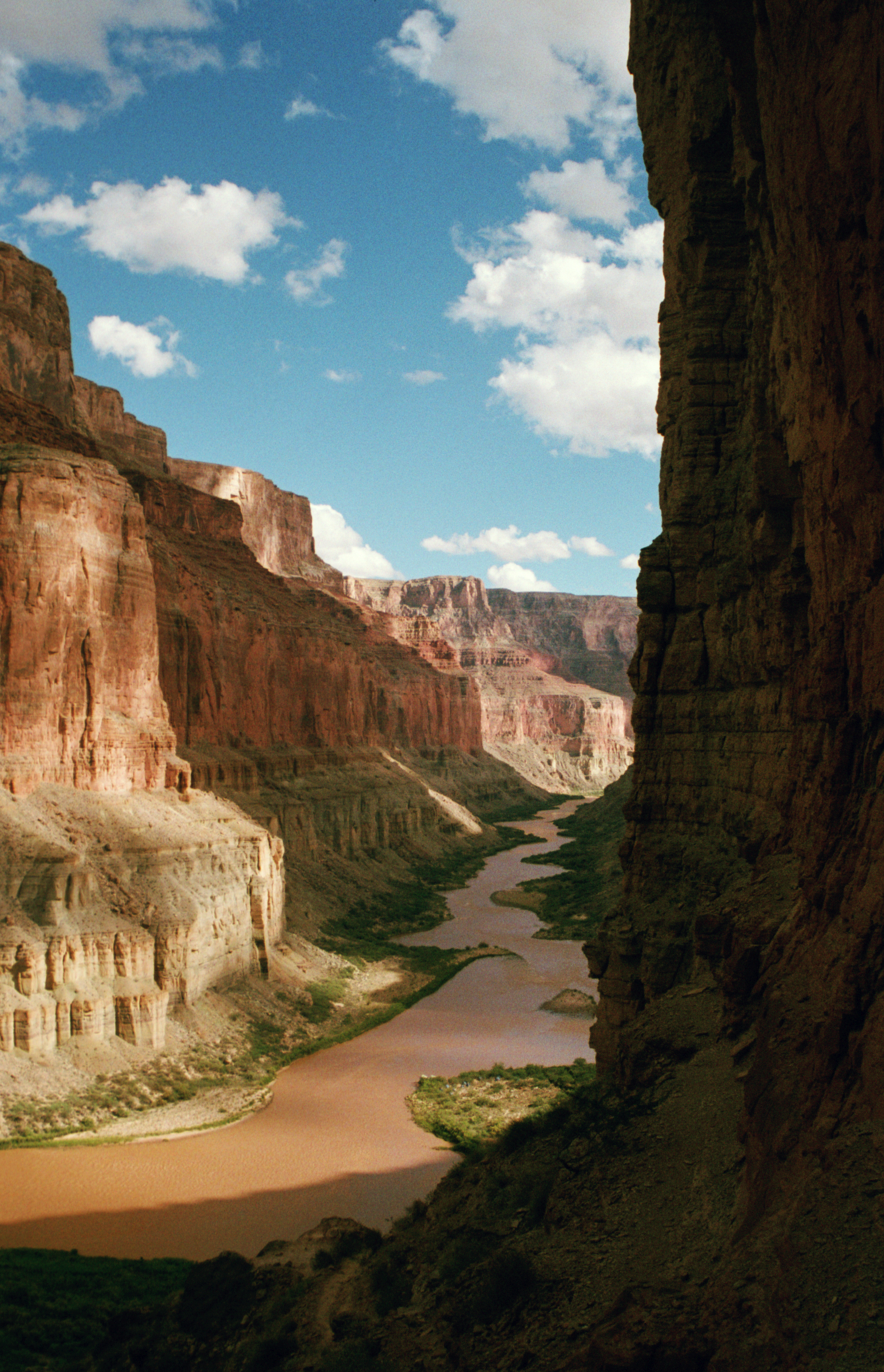
Transformation can come from mundane or extravagant experiences that is not important.  We can invite it like the roller coaster, enter into situations and expect it, or stay asleep and resist what has presented itself to us (resistance comes in many forms).  Transformation asks of us, requires of us, really forces us to be vulnerable and risk stepping into something that is foreign.   I recently had another opportunity to raft 280 miles of the Colorado River through the Grand Canyon with 16 people for 24 days.  You don’t sign up for an intimate experience with one of the Seven Wonders of the World and not hope to be changed somehow (the beauty alone!).

This would be my 10th such trip and while I would never chose to swim in violent rapid (rated a 6-10 according to difficulty), I accept the risk that I might.  When I first starting rafting I formed a belief that I was strong and smart enough that I should never have to swim.   That I would never fall out of a boat as a passenger or would never cause a boat to flip (turn upside down) and dump all passengers and gear not strapped down if I was oaring.  I believed that it was a weakness in others if they swam or flipped.  That is until my first flip.  I was a passenger in a boat and yes I hung on and hung on until I realized I could continue to hang on and I would be “in” the boat, but the boat was underwater and I would soon drown if I hung on anymore.  So, I let go. I had to trust in a new belief in that second.  A belief that I could swim or find another solution and rescue myself.  And let me tell you, when you are about to run out of oxygen, you don’t waste much time thinking, your primal instincts kick in and you act. You get out of your own way to survive. The feeling is raw, it is what I imagine the cells of a moth feels like when it dying to become what it does not know yet, a butterfly.  When I was under water and in it, I didn’t know how it would end.

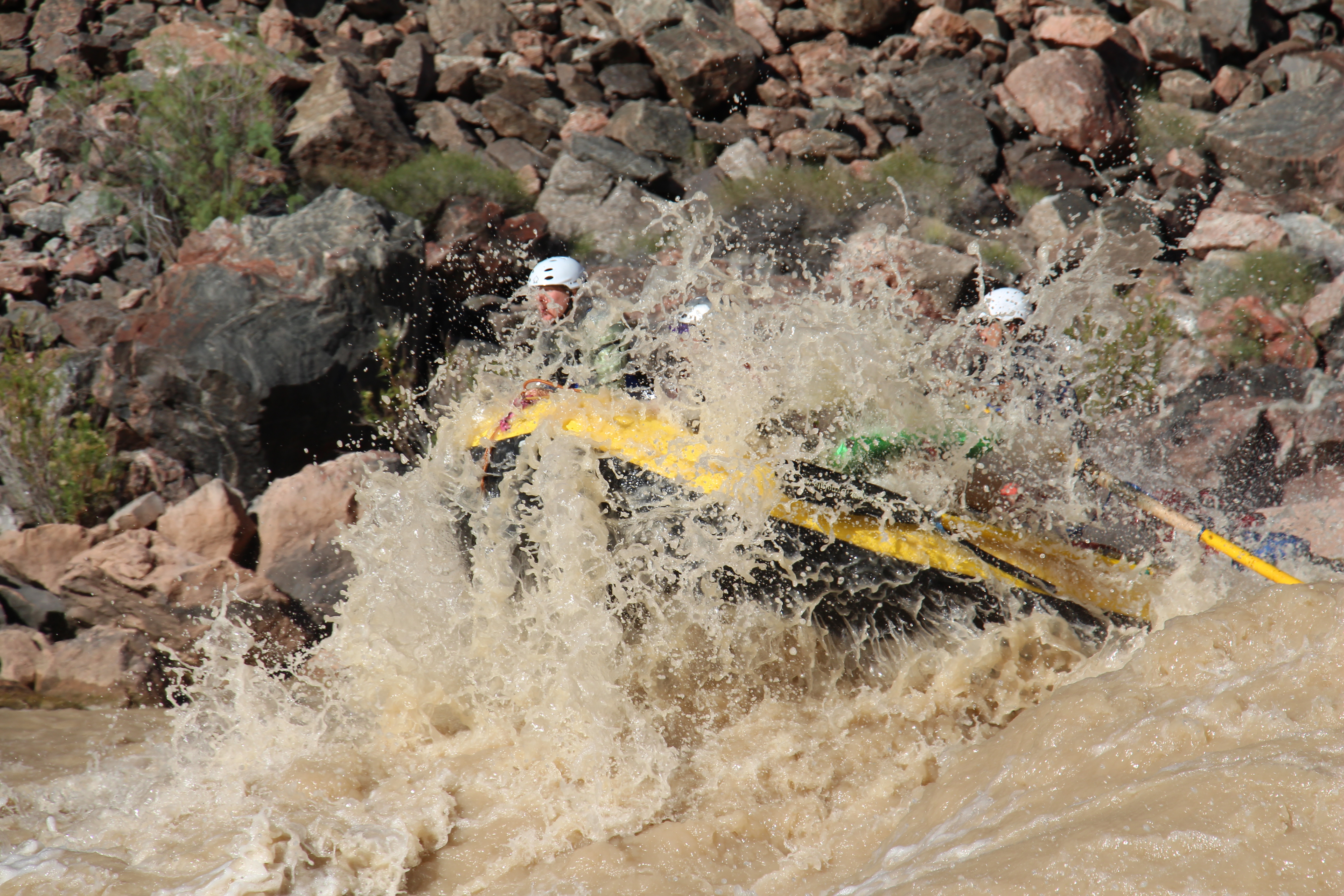
I made it and it was transformative.  I had a new belief about me and an upgrade on my beliefs about boating and boaters.  The transformation happened through the shock of being in the water against my will and control.  The swim itself was not that traumatic.  That was on my first trip and I have since done nine more.  I have not swam in most of them however, this past October I had a transformative swim.   In the ocean, the waves are synchronized and predictable.  You can get your breath in the troughs because you know you will be sprayed in the mayhem of the wave cresting at its peak.   In large rivers, waves are created from all directions and then crash into each other, some at crests, some build and build then peak and crash, others create large holes and wave’s crash down onto those holes.  This is because the flow is bouncing off canyon walls and huge rocks and debris underneath.  It creates a chaotic mayhem of forceful water moving downstream.
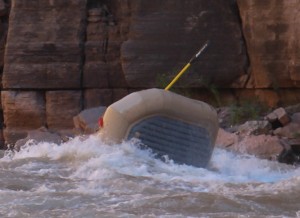
1IMG_9528 use Upsetcropped

I was again a passenger in a boat that flipped at the top of one of these large rapids.  I was not afraid in the moment that slowed down and took f o r e v e r where I knew we were flipping but I was not yet in the water and had not time to think “take a big breath you will be down for a while”.  As I rose to the top (we have life jackets on), disoriented and trying to figure out which way is up or down, gasping for air, I kept floating up underneath the flipped boat where it is dark and there is no air.  The protocol is to take your hands and walk yourself out of under the boat to the side or away from the boat.  Before I could do that the boat and I would be pummeled by another set of mayhem waves. This kept repeating itself and I had no idea when it would stop, if it would stop before I ran out of air.  It was not a good know I was physically capable swimming to calmer waters but I had not oxygen in my lungs.  I couldn’t take a breath without taking in more water.

It felt like forever but likely lasted 60 seconds or less.  At one point I did make it to the side of the boat and saw my husband.  He asked if I was okay and it was then I realized how much water I had ingested because you cannot talk at all. This swim changed me.  Not in the way that I would never raft again, that is not the point, maybe I will or maybe I won’t.  It changed something inside of me at my core.   It suspended my sense of control and knowing and forced me to become comfortable with the uncomfortable.  To trust myself and the Universe in a way I had not before and that was transformative.

No one would choose to transform through trauma or drama, pain and suffering, or feeling out of control unable to turn back.   And yet we know it is part of the human experience that we can’t escape, whether invited and planned or dreaded and unplanned, fun or traumatic, large or small, frequent or infrequent, short or long is not the question.  We will experience transformation we just don’t know when we will be called to be comfortable with the uncomfortable.

The question is how will you respond?  That is your choice point.  Will you embrace or resist?  Our culture does not honor or give voice to the process of transformation.  We tell others to get over it, forget it, move on, ignore it, provide help to maintain status quo.   We don’t acknowledge and value that the fall we have to take, the loss we suffer, the associated grief, anger and emotions with the fall as an essential piece of the new.  Sometimes we find ourselves hanging on to what was because we have a need to have something the way it was, the way we think it should be or to be right.  This kind of resistance can lead to dis-ease.   We are blinded to the new norm that is being born and the knowledge that this new can be better than before, it is just beyond our imagination so we hang on.  We practically demand others transform, even ourselves, but basically don’t value the fall required to achieve the change.  It would be like saying get to the top of the mountain but don’t climb it.  There are no short cuts to this kind of change.  You can start to value the fall as necessary to where you want to go, to who you really are.  By doing so you are acknowledging and valuing that vulnerability is the only way to a more loving, creative, peaceful and wholehearted life.

We also don’t honor or value re-entry or integration of the new you back into the same world.  The new you, the YOU after a transformation, is fragile and vulnerable, like a new born.  The butterfly that emerges from the cocoon emerges in the same world the caterpillar left.  You are now different.  You know it, you feel it you want to share it, talk about it, live it and everything around you is the same.  Words diminish it, Will others understand?  Will they still like you provide what you need from them? What will you have to do, say, let go of, take on, in this new you?  You may doubt yourself and shame yourself.  You may want to deny, hide or make excuses to ease integration.  How will others react?  Others may throw blame, shame or guilt on you.  Integrating the new you can often be more challenging or traumatic than the actual transformation.   It may be tempting to want and try to return to the old way and some might even ask you too because they needed you to be what you were and now they have to adjust to the new you.

What won’t change is that you are your responsibility, whether you claim it or not.   A transformation transition requires your awareness, attention, kindness, compassion and patience.  It needs understanding, support and nurturing like a newborn learning to walk. You would never tell a toddler they are screwing or are bad in some way as they learn to walk, fall down and get up and walk again, however unstable or wobbly.  Nurture yourself and ask what you need from others in this transition time.  You may need more sleep, support and compassion in this newbie state.  Acknowledge and celebrate your transformation, you don’t have to fully understand it to live it.  Our culture does not value this important time, so you have too.

This re-entry as a new you is like the quiet time before dawn.  A time where the light is soft, getting stronger by the second, but slowly, unnoticeable if you stare but noticeable of you look away for a minute and look back.  Quiet, grounding, centering at the core, as if the sun is rising up through the earth instead of shining down on us.  The light at your core is shining out as you claim your beauty and power.  Honor the entire death and rebirth, the old and new, both are parts of the same whole, you.  Honor you.  Let others think what they will, it was never your business anyhow.  You have taken one more step into being comfortable with the uncomfortable, trusting you in a way you never have before and in doing so give others permission to follow.

I came back from my Grand Canyon River trip a different person.  Two months later I am still exploring, nurturing, caring for the new me in the same environment, conflicts, challenges (and wonder and beauty) I left.  It is a process not an event.  You are not alone.  I am not alone.  As I bring more compassion to myself I am able to bring compassion to those around me without judgment and feel the strength in giving a voice and witness to the vulnerability of our collective unfolding. I see another layer of how letting go brings be closer to my truth, my wholeness, my ability to be authentically me, freely and openly.    I look forward to becoming more and more comfortable with the uncomfortable. Will you?

The Brochure Didn’t Say THAT!

Nov 2, 2015 6:29 pm
Written by Barb Horn
0 Comments

MGC15 (13 of 131)         MGC15 (34 of 131)         1IMG_3592

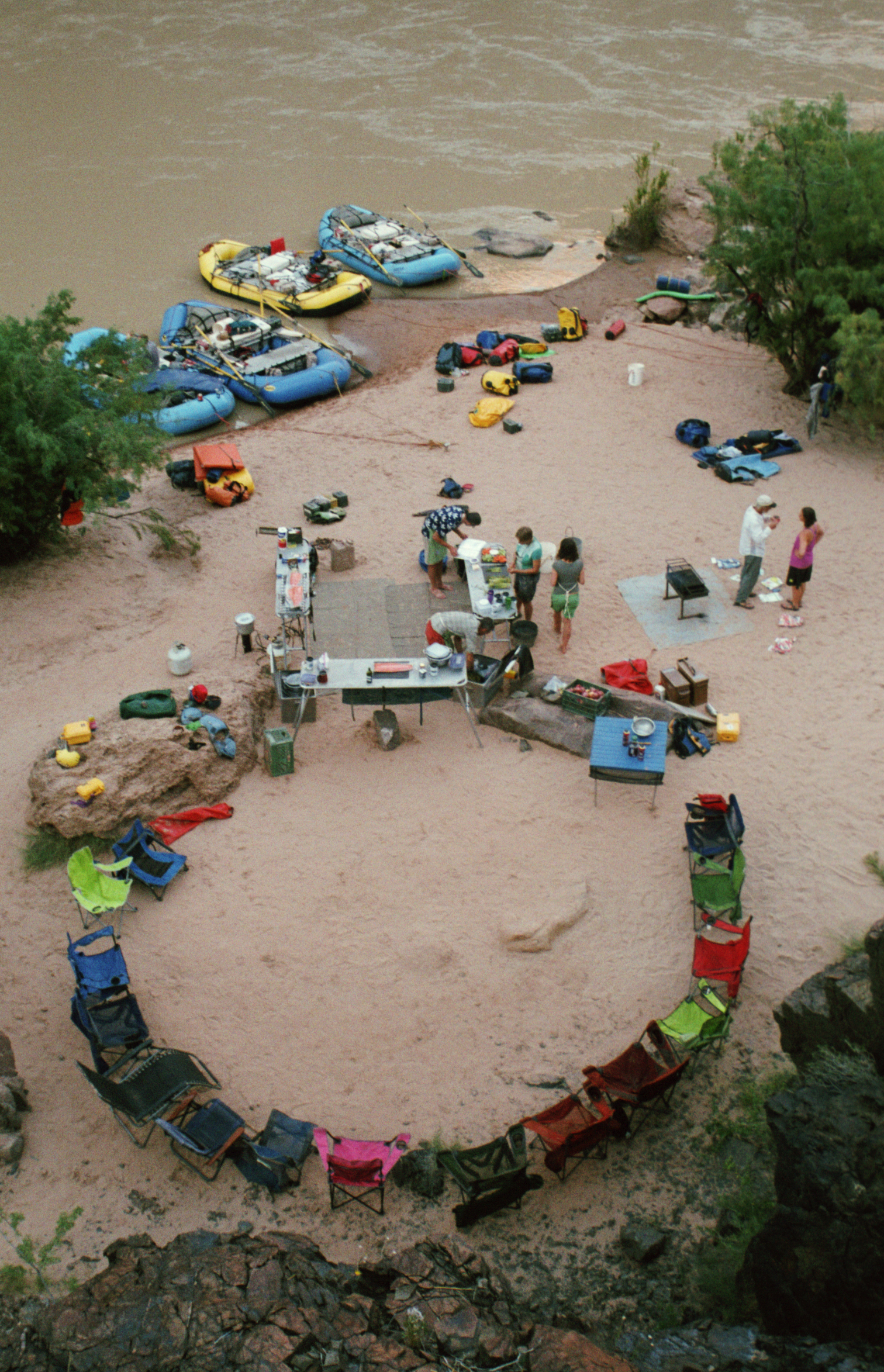
(Photo’s 1 and 2 compliments of L. Harris and 3 from S. Langston, that’s me underwater)

What do you get when 16 people spend 23 days floating on crafts that carry all they need down the Grand Canyon? You get an experiment in community. One does not embark on such an adventure without to be awed, changed or altered in some way. On the inside. A significant offering the Canyon provides, that words diminish when one tries to explain, is how the Canyon itself and the experience of community peel back layers of yourself, exposing your soul, leaving you feeling vulnerable and small and yet somehow part of something larger than yourself. Someone who has been given something special and must share it, through being. You don’t want to miss that part of the experience or resist receiving that gift, but you will try, it is human.

Let me explain.  The Grand Canyon as a geologic and hydrologic wonder full of beauty, history, paradoxes, adventure, excitement, calm and risk.  You are in wilderness for 280 river miles and decisions you make or don’t make can and do take lives.  The only people you may see are folks on the same journey (and sometimes that is no one).  No cell phone access only satellite phone in some places for emergency contact.  Evacuations are by helicopter, expensive and for life threatening emergencies.  It is the kind of experience you spend six or months planning, preparing and building expectations.  You have a map, ample food, water, first aid, safety and back up gear and clothing – and each other.  That’s it.

The Canyon is the classroom in which you and trip mates are the experiment.  Decisions each of you make impact the entire group and overall experience.  You put on the river as a group and must stay together through thick and thin until you take out because it is illegal to separate.  After ten trips, I believe 9 out of 10 trips would separate if it was legal.  Why?  The challenges that comes with being in the unknown, in community and in yourself all at the same time.  You don’t know what wonder is around the next bend and how to prepare, you have to trust.  You experience doubt, fatigue, anxiety, fear, adrenaline and a sense of lack of control.   And then you have to deal with the extrovert or introvert (whatever you aren’t), your dinner duty and/or the group member you just don’t get.   You may even realize you don’t like someone, even hate them and wish they would get evacuated.  You experiences many emotions and intensely at times.

The Canyon demands your attention and thus you spend long periods of time present, in the moment, which we can easily avoid in everyday life.  The group as a whole has to react and respond to, manage and confront the next thing.  While that may be a waterfall, a successful rapid run, a sweet hike, it also might be a flip (a boat full of gear turns upside down), an unintended swimmer, damaged equipment, an injury, illness, or a decision to make like where to camp or hike or eat lunch, or what to do about a group member(s) that disrupts the community dynamic beyond an acceptable level.

You can’t walk away literally or metaphorically (workaholic, check out with a device, keep moving so you never hear your inner voice, etc.).  You can show up and deal or resist and ignore. Both are choices, both have consequences for you and the group.  At the end you will be saying “I never thought I would….”  You will hear yourself tell stories about the amazing Canyon but also about all the people on board.  Sayings, phrases or songs you invented.  Events that happened and what folks did or didn’t do in response.   The experience of it all opens you up.  You will change, but not like you thought.  In your reflection you can list all the things that “were not provided in the brochure”.

This Grand Canyon community experience is just like everyday life. Distilling my life down to my own expectations, a dry bag, 16 people, five boats and 280 miles of wilderness is just the context for the day.  I have distilled my everyday life in the same way. Expectations based on my beliefs and stories of how I should be and feel and how others should act and feel.  My routines, habits, to-do-lists merge with my many communities.  I need to be present but I often get sucked into stories of the past, worries about the future and create drama by focusing on others instead of myself.  I don’t really know what is around the next bend but I create the illusion I am in control and directing my life, which erodes my trust muscles.  I want the “difficult” person, entity, agency, authority, situation to just evaporate so I will be okay.  But it doesn’t.  And I am still okay.

There are many elements that make a group dynamic in community high vibrating.  The obvious element is to have a common goal, in this case we all wanted a fabulous but safe adventure. This past trip was amazing and there were challenges on the river and in the group.  We were high vibrating though and I believe that is because of three key ingredients.  Ingredients I want to remember and bring to the remaining float down the river of my life, which I hope entails many years.

The three ingredients were:

1)      Verbalized, agreed upon community norms.  A group has norms, whether acknowledged or not.  We selected key items we all agreed upon at the beginning that we would do to keep group safety and harmonious.  This included acknowledging and valuing our differences as well as that we will feel something we don’t want to at times (scared, anxiety, anger, etc.) and that is okay.  We delegated group tasks so everyone had a role and a communication structure to share issues, concerns and to make group decisions.   We made these group norms the nucleus of our safety talk.  As it played out, we each had to make a personal sacrifice at various times for the sake of holding these group norms.  That is what it means to agree to a collective.

2)      Self-rescue, meant more than it usually does on river trips.  It usually means take care of your physical needs first if you can, don’t expect help and be resourceful.   We expanded that meaning to include taking care of your emotional and mental health as well, but within boundaries.  Hold yourself accountable, figure out what you are feeling and need and ask for it.

3)      Holding the group accountable.  Once our group’s dysfunction or dis-ease was out in the open. It was easy to make it about individuals.  You know that point in a community, it is who the gossip is about, who is getting blamed, etc.  And we did make it about a person, for a period.  If we continued down that path we would have had to confront more serious issues.  This is not to say, that individual did not have some accountability, they did, but they are one person in 16 to hold up group accountability.  Blame never produces a solution, it only solidifies status quo like super glue.  Conflict seems like it is about a person and a circumstance, but it never really is. It is always about something underneath the story.

We were brave enough, as a group (not some of us but all of us), to gather and put the elephants in center circle.   Step one.  That never usually resolves the issues.  Putting elephants in front of the group gives each individual permission to own their role and part in transforming what has been illuminated for them and bring that learning back to the whole.  It is being self-centered and focused for the wealth of the tribe, not for self-gain.  It takes leadership to create step one.  Step two, then is the group has to hold the individuals in the group accountable to the norms. Once the elephant is out, it requires the group to keep it in the herd.  If the group falls back on one person (leader or not) to enforce group agreements then the group is not owning itself yet and will continue to create drama until it does.

New friendships were made on this past trip and a few friendships are forever altered, maybe terminated.  Again, such as life.  We create relationships to have experiences we need, they need, and when they are done, we have the opportunity to release them gracefully or in drama.   What does gracefully mean?  Acknowledge we are at different places in our growth, and that is neither good or bad, right or wrong, just is.  I bless you on your path with your guides and I bless myself, we both count, even if I don’t get you and you don’t get me. Thank you for what you have given me and I wish you love and grace along your path.

We don’t have experiences to get over them.  We have them to be seen, to be heard, to feel something we need, to grow and evolve or to resist change and maintain status quo.  We create, invite, select, demand, and even attempt to control experiences.  Experiences are part of being in this body this life time.  We are never alone either, we always have ourselves, our guides, and our version of Source.  Thus, even experiences in solitude are in community.  We may feel alone, but that doesn’t mean we are. We are not our feelings.  We create community all the time at home.  Informally and formally.  A family, a soccer team, the neighborhood, a project, a club, a hobby, work teams, a group of workshop attendees as examples.   Life is one big community comprised of infinite smaller communities.

One gift the amazing, speechless Grand Canyon gifted me this trip, was that of conscious, intentional community.  I am keenly aware of my role, value and contribution, or lack of in all my communities.  I imagine this way of living in community could create amazing shifts in our world.  Since the trip, I have given myself permission to leave some communities, strengthen others and forge new ones, all with a sense of wonder, awe, trust and conscious intent.  These last few months, lunar and solar eclipses and the new moon in Scorpio, keep calling us to create and bring our unique gift to others, to collaborate and partner with others and to transform our inner stories and beliefs that keep us small and from valuing yourself in community.  What is your response?

Post Traumatic Growth – What Will It Take To Stop Orange Rivers? (10 of 10)

Aug 31, 2015 11:34 pm
Written by Barb Horn
0 Comments

Post Traumatic Growth – What Will It Take To Stop Orange Rivers?

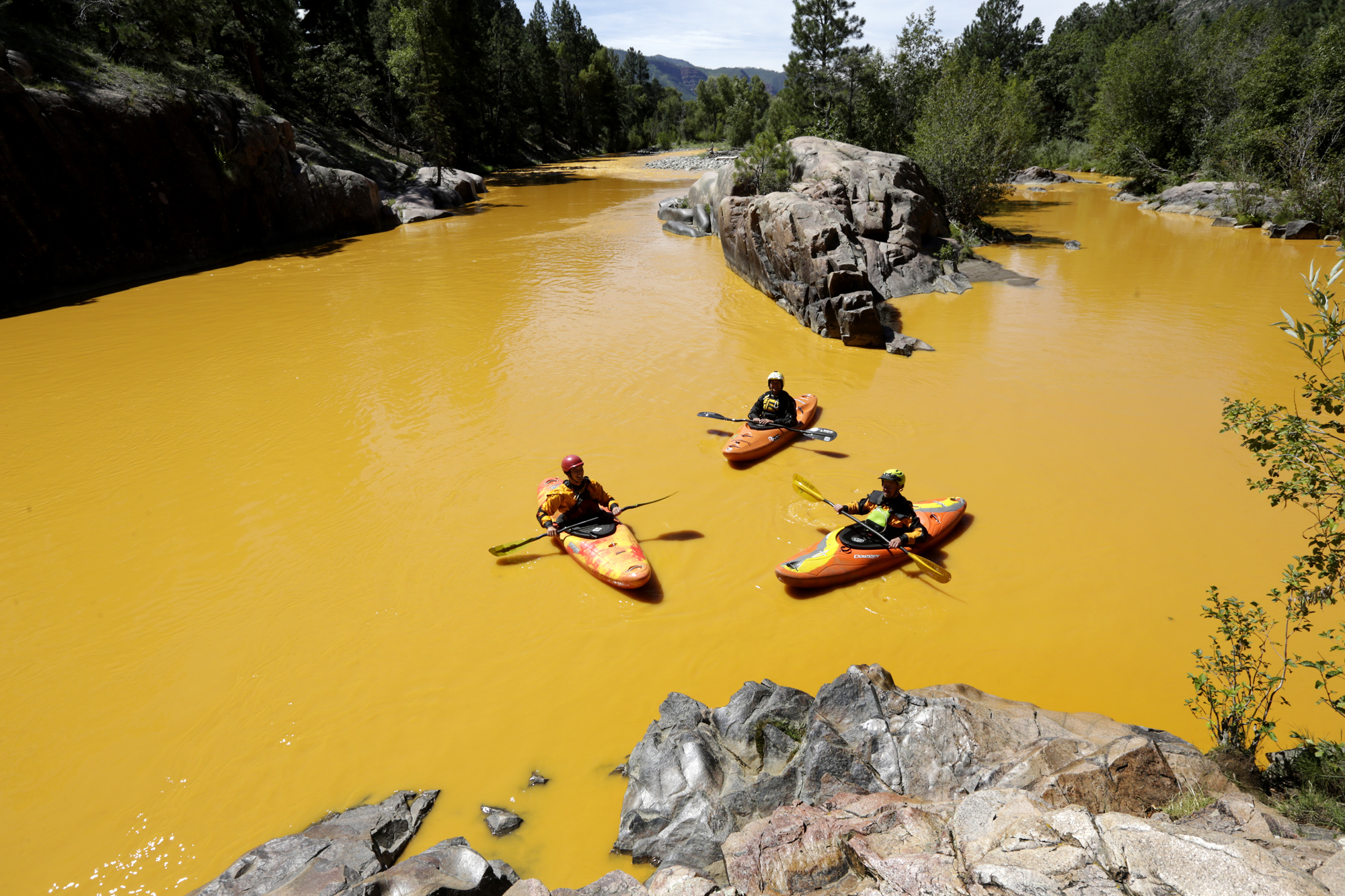
People kayak in the Animas River near Durango, Colo., Thursday, Aug. 6, 2015, in water colored from a mine waste spill. The U.S. Environmental Protection Agency said that a cleanup team was working with heavy equipment Wednesday to secure an entrance to the Gold King Mine. Workers instead released an estimated 1 million gallons of mine waste into Cement Creek, which flows into the Animas River. (Jerry McBride/The Durango Herald via AP) MANDATORY CREDIT

People Kayak the Animas River north of Durango, Thursday, August 6th, one day after the Gold King Mine spill.  Photo Jerry McBride, Durango Herald via AP 

“Koyaanisqatsi” is the Native American Hopi word for life out of balance

This is the tenth and last Blog in a ten part series called “Through the Lens of the Animas River” that explores the August 5, 2015 Animas River spill in southwest Colorado.  Each blog in this series looks at a different aspect and deeper story behind the spill.  All Embracing Change Blog is focused on change, how to create it, embrace it and in particular the relationship between paradigms of countries, cultures and collective humanity relate to the systems we build, the patterns we see and experiences we have.  All of those are change points, areas we can influence change but require different approaches and time scales.  Learn more about a change,  paradigm shifts or play Blame It Name It Change It or sign up for the All Embracing Change Newsletter.  The first blog was titled, “Who Really Turned My River Orange?” and second “How to Get Rid of the Environmental Protection Agency” followed by “Is the Water in the Gold King Mine a Problem?”, “To Superfund or Not to Superfund Silverton.”,“ The Perfect Response to an Orange River”,  “Hello Durango, where have you been?:”, “Why it Matters When a River Turns Orange” , “Why Anger Is Part of Real Change and Shame Is Not” and “What does Hiroshima, Hurricane Katrina, Michael Brown and the Animas River Have In Common?”

On August 5, 2015 the Environmental Protection Agency (EPA) accidently released a spill of metals laden acidic mine water from the Gold King Mine.  This turned the Animas River orange and the entire country watch this butterscotch plume travel from Silverton, Colorado through Durango, on to Aztec and Farmington, New Mexico, then Bluff, Utah and into Lake Powell.  The plume also went through Southern Ute and Navajo Nation Tribal Lands.  The story went viral and international.  Perhaps that is because an orange river is an excellent visual story or maybe the irony that EPA caused a harmful spill and they are the agency responsible to protect us from such spills.

There are so many ironies in this event I must point them out.  The first is the obvious.  The EPA or agency responsible for protecting our water and air from pollution caused a spill that polluted a river.  This irony maybe a blessing in disguise.  As I look at other similar disasters, Gulf oil spill, Exxon Valdez spill, fracking an associated water contamination or water pollution, West Virginia’s Elk River chemical spill bring to mind events you might remember, none of those has triggered a paradigm shift.  All of these and the thousands more do not get attention or press due to the smaller scale, create some change, but not the tipping point needed for a paradigm shift.  Maybe the Animas will be such a change agent because EPA caused it.

Another irony is the fear people had and still have over their drinking water being safe.  The first irony always gets me, and that is people don’t know where their drinking water comes from and as such, don’t pay attention to the care of the air and land feeding that source.   Our paradigm allows us to “not worry” someone is dealing with that, doing their job.   We need to know and actively protect our water, just like we are starting to do with our food.

The second irony is the amount of testing that goes into drinking water versus bottled water. We think because it is on a shelf in a store it is safe.  Industry counts on that ignorance.  In most cases in the U.S. drinking water providers have to comply with Safe Drinking Water Act, which ensures the safety of your drinking water.  Companies who provide bottled water do not; they are not regulated under the same system.

Likewise, fear of eating the fish in the Animas ironic when the cans of tuna fish in the grocery store have more mercury than all fish in the Animas combined.   Tuna fish is regulated by the Federal Food and Drug Administration.  Mercury warnings in wild fish? Your state health department or Clean Water Act agency determines safe levels and posts warnings.  The metals of concern in the Gold King Mine water are cadmium, copper, lead and zinc primarily.  These metals do not accumulate in fish filets, but cause dysfunction in liver and kidneys for the fish.  Mercury, selenium and arsenic can accumulate in fish filets but tend to be unavailable in running waters.  In lakes that is a different story.   You and I have levels of mercury, selenium and arsenic in our muscle tissue in some concentration. We cannot get rid of metals on this planet, they exist in some form; the key is to have them exist in forms that do not harm us.

Accidents cause trauma. Trauma changes us by design. Trauma can cause stress and growth. Post traumatic growth is a real phenomenon just like post traumatic stress disorder.  Post traumatic growth is in essence is identifying and owning what has changed in us because of the trauma.   It changes the lens in which we view the trauma.  The conversations shift from being about the event and pain to how the event changed us for the better.  What changes in are your beliefs, your personal paradigms.  The shift can be so profound; we would not take back the event at all.  You have witnessed post traumatic growth if you have ever heard someone’s story that experienced an accident, disease diagnosis or loss of possession or similar profound event and when asked “would you take it all back, they answer no, they would not change the traumatic event or take it back as if it didn’t happen.  Why, because they now identify with their new paradigms and what those manifest in systems, patterns and events. Events they could not have imagined in the “pre” life.   I accept EPA’s public apology and thank all the individuals who have and continue to respond and take action.

This event has changed me. Awaken me up in unexpected ways.  I am still opening and learning.  It has also validated much for me.  First and foremost is that people are involved in these accidents, every time.  And the most honorable, productive, connecting path we can collectively take to make sure these accidents don’t happen again needs to recognize and see the human and humanity in the event.  It is one reason disasters bring people together.   It will be the reason we get to a paradigm shift quicker and with less suffering.

What it will take to stop rivers from turning oranges is all of us, questioning our paradigms, shifting shame and blame using compassion and be willing to embrace the world of AND instead of either or.  Any paradigm not aligned with nature and universal laws is breaking down.  It takes a critical mass to cause a paradigm shift.  It means we cannot go back to sleep.  I invite you to embrace the change agent you are.

This concludes the ten series blog on “Through the Lens of the Animas River” blog series that explores the August 5, 2015 Animas River spill in southwest Colorado.  The blog might be done, but the lessons and actions needed are not.  Thank you for reading this series and providing your perspectives as well.  Namaste. 

“We cannot be selfish or timid if we hope to have a decent world for our children and grandchildren.” Jimmy Carter.


Page 7 of 12

  • Previous
  • 1
  • 2
  • 3
  • 4
  • 5
  • 6
  • 7
  • 8
  • 9
  • 10
  • 11
  • 12
  • Next

Quick Links

Blog
Newsletter
Store
Contact Barb

Say ‘Yes’ to You

All Embracing Change

Contact Barb

Barb Horn, Certified Alchemical Hypnotherapist, SoulCollage Facilitator, Inspirational Speaker, and Ceremonialist
Offering personalized experience via phone or at your location.
+1(970)903-3029
All Embracing Change
10 Town Plaza, #183
Durango, CO 81301, USA
© Copyright 2015 -   by All Embracing Change, Website by Yoka Design
This website uses cookies to improve your experience. Accept
Privacy & Cookies Policy

Privacy Overview

This website uses cookies to improve your experience while you navigate through the website. Out of these, the cookies that are categorized as necessary are stored on your browser as they are essential for the working of basic functionalities of the website. We also use third-party cookies that help us analyze and understand how you use this website. These cookies will be stored in your browser only with your consent. You also have the option to opt-out of these cookies. But opting out of some of these cookies may affect your browsing experience.
Necessary
Always Enabled
Necessary cookies are absolutely essential for the website to function properly. This category only includes cookies that ensures basic functionalities and security features of the website. These cookies do not store any personal information.
Non-necessary
Any cookies that may not be particularly necessary for the website to function and is used specifically to collect user personal data via analytics, ads, other embedded contents are termed as non-necessary cookies. It is mandatory to procure user consent prior to running these cookies on your website.
SAVE & ACCEPT